
The Tender Practice of Loving and Learning Our Kesem
By Shalem Aboody-López, Photographer & Storyteller
This photo and audio essay emerges from the intimate terrain of our family life, an everyday landscape shaped by curiosity, tenderness, and the complex realities of raising a child with ADHD and autism. Inspired by Brenda Bazan’s Boyhood and my own experience as a parent, I turn the camera toward my seven‑year‑old son, not to define him by his diagnoses, but to witness how he is learning to move through the world with them.
The photographs trace the rhythms of his days: the moments of stillness that surprise us, the bursts of energy that animate him, the negotiations, the laughter, the overwhelm, the resilience. Alongside these images, an audio conversation between my co‑parent, Avital, and me forms the emotional spine of the project. In it, we speak honestly about the joys and challenges of parenting a neurodivergent child, and how we try to be his comfort, his translators, and his fiercest advocates in a world that often misunderstands and stigmatizes the very traits that make him who he is.
This work also reflects our hesitation, including the quiet fear of sharing his diagnoses with others and the uncertainty of how to explain them to him in ways that empower rather than burden. These tensions are not unique to us. Many families navigate the same questions, such as how to protect their children while also helping them understand themselves, how to process their own emotions while holding space for their child’s, and how to build a life that honors difference rather than hides it.
Through image and voice, The Tender Practice of Loving and Learning Our Kesem invites viewers and listeners into this intimate, complicated, and deeply human story. It asks them to look closely, to listen generously, and to consider the unseen labor of love that shapes so many families’ lives. Ultimately, this project is not only about our son’s journey. It is about the universal work of learning to show up for one another with empathy, clarity, and courage.
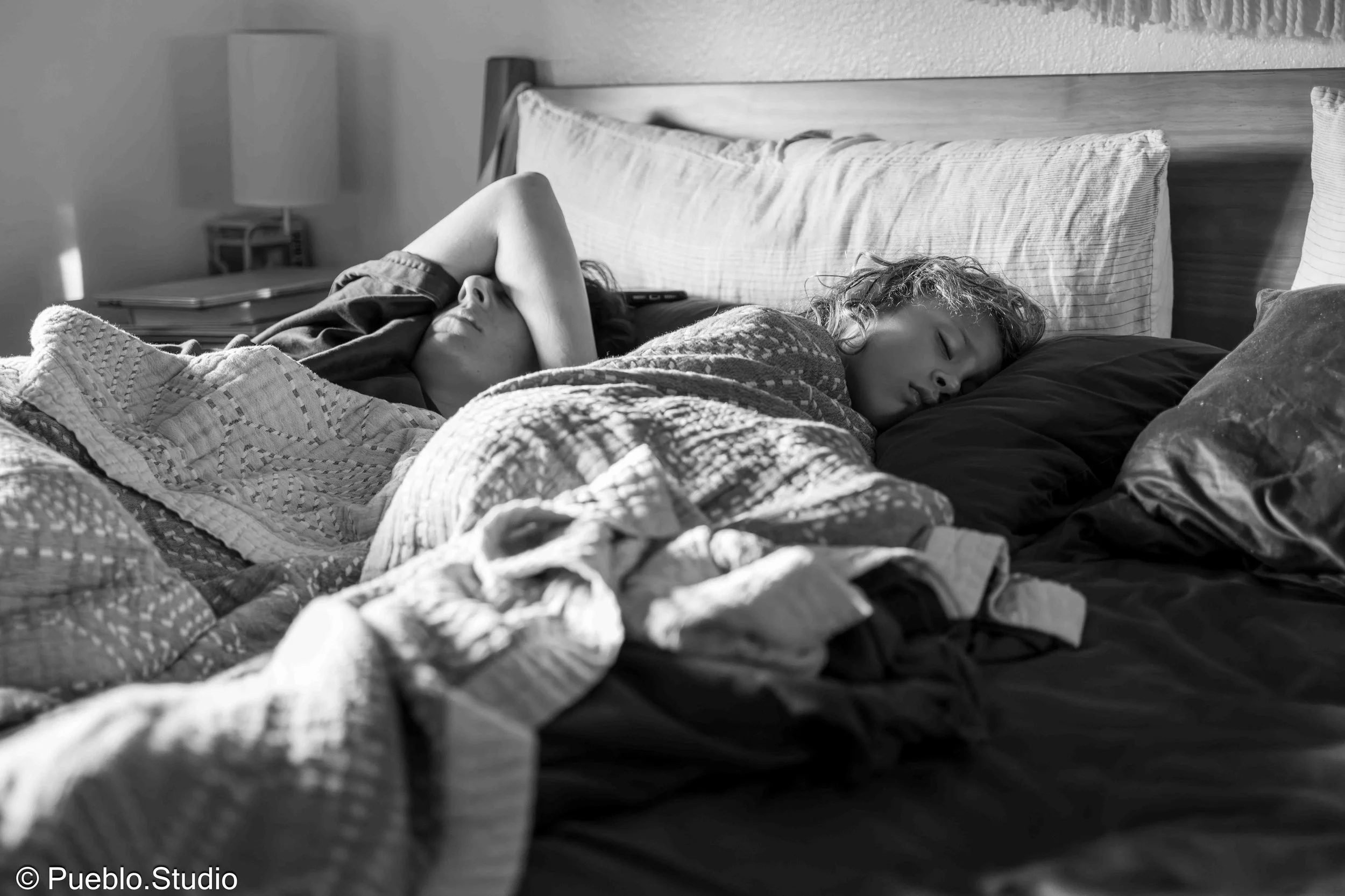
Kesem, who has struggled with sleep since he was born, begins each night in his own bed. What usually happens is that sometime in the middle of the night, when the house is quiet and his body can’t settle, he makes his way to our room. That’s where he ends up, curled into the space that feels safest to him. This nightly routine shows how he seeks comfort and how we meet him where he is, night after night.
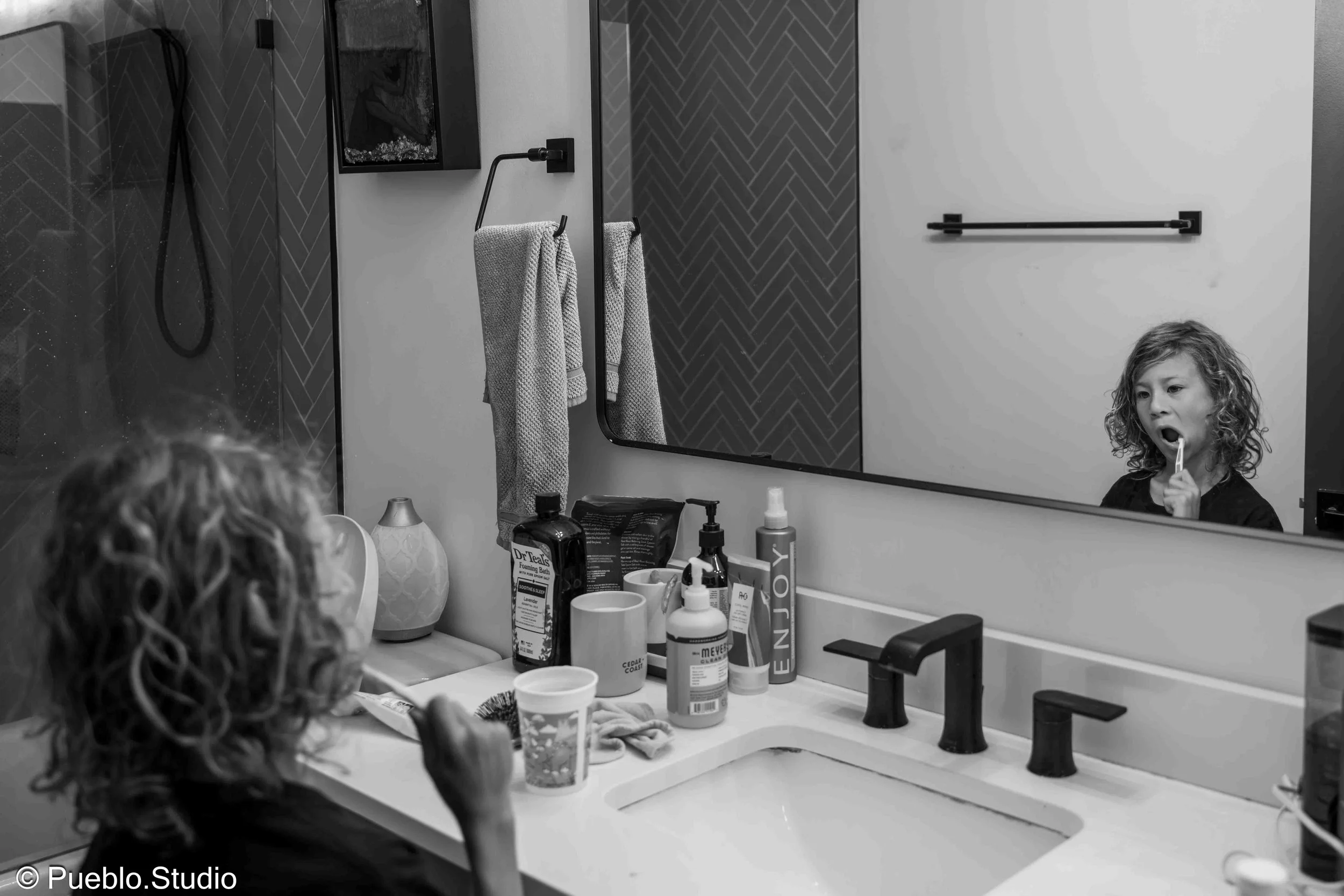
Kesem, who often struggles with routine tasks, needs step‑by‑step guidance each time we move through basic grooming. Even familiar actions require repeated instruction. This usually takes place during our morning and evening routines at home, where we walk him through each part. The reason is that these tasks are genuinely hard for him to sequence and complete on his own. How we respond varies, because the repetition can strain our patience, but we try to meet him with love even when we fall short.
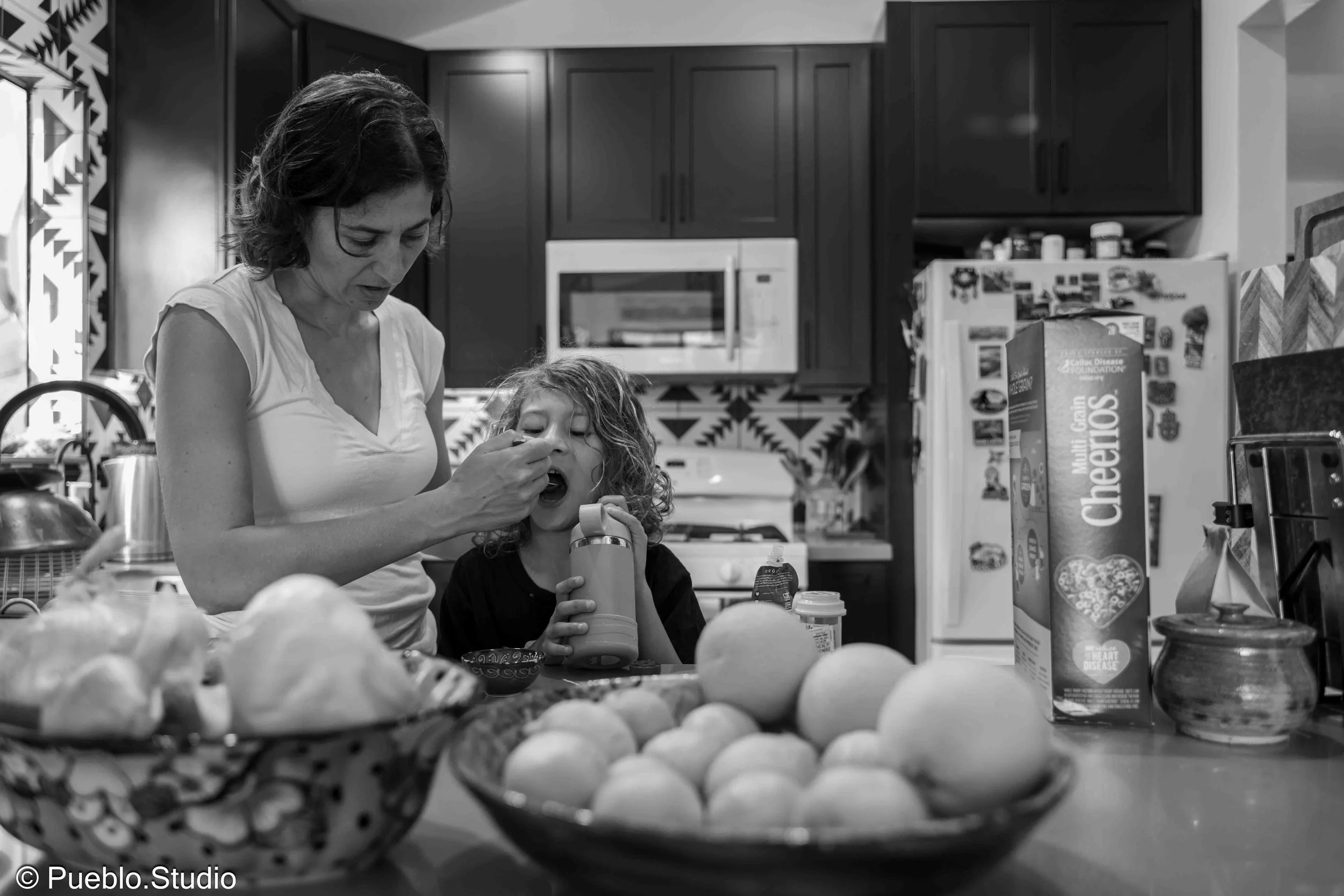
Kesem has been on ADHD medication for almost a year. Each morning, we prepare it by mixing his dose into a spoonful of applesauce at home. This act is simple and routine, but it carries the weight of a decision Avital and I struggled with for a long time. We hesitated because we worried the medication might dull the parts of him we love most. We finally chose to start last year, and the change has been meaningful. The medicine helps him regulate himself more easily, and he remains fully his creative, curious, and beautifully singular self.
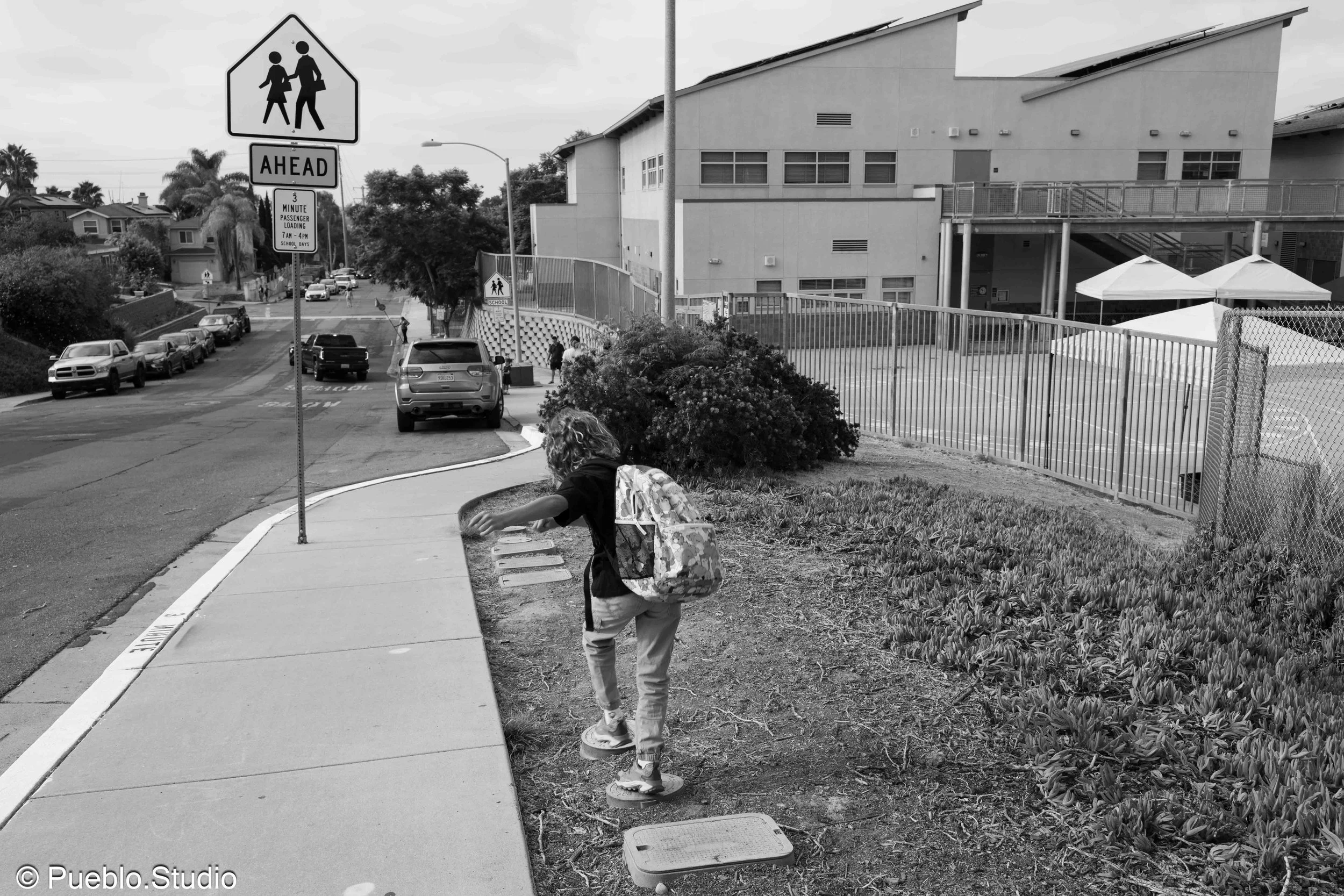
The walk to school with Kesem is never just a walk. He turns the short route into a moving obstacle course, jumping, skipping, kicking whatever he finds, and inventing new challenges along the way. This happens every morning on the sidewalks near our home, even though the school is only a five‑minute distance. The reason is that his body needs movement and exploration, and how he gets there is through constant motion. These detours often stretch the walk to two or three times longer, becoming their own daily ritual of energy, distraction, and joy.
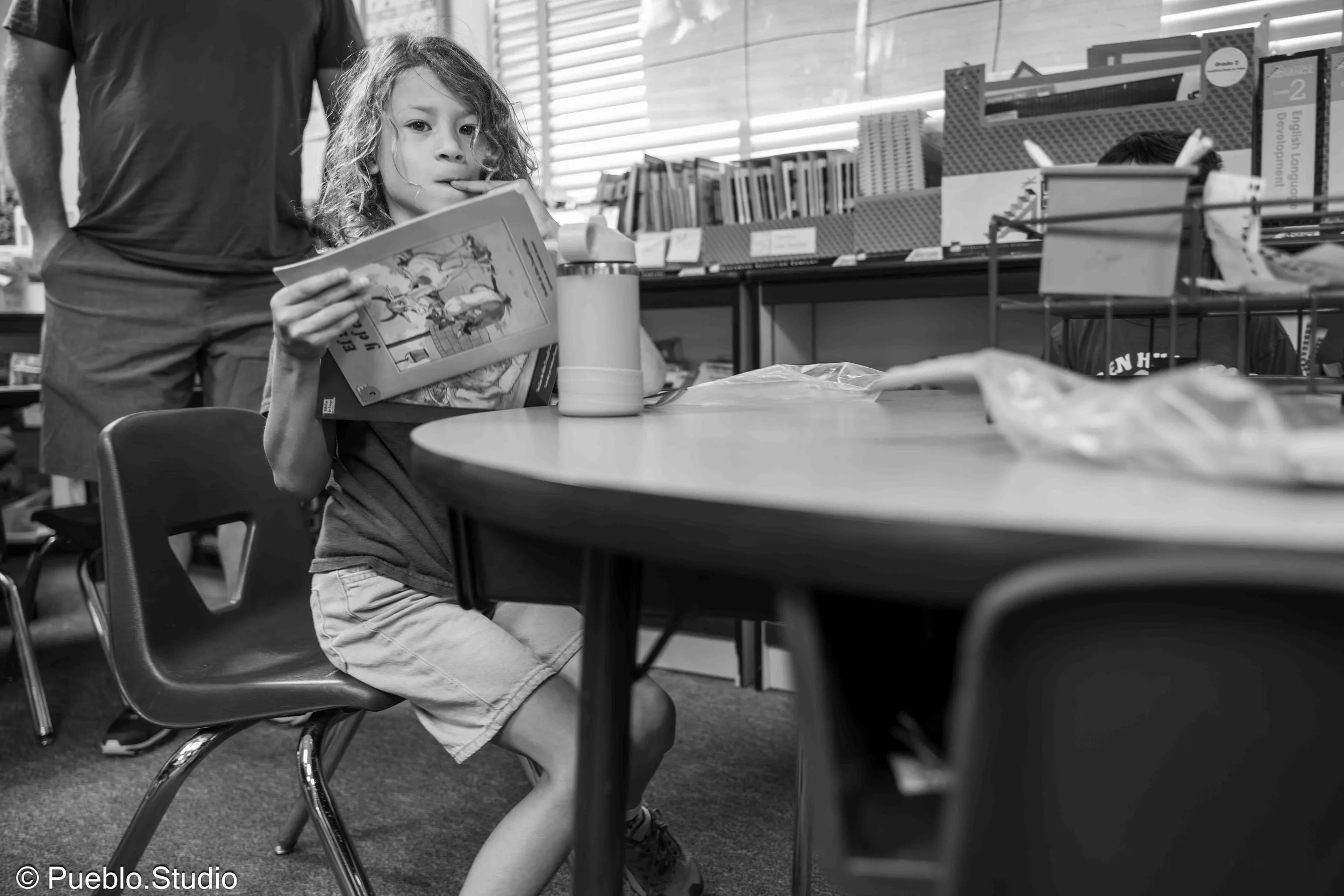
Kesem is a strong student academically. He reads well in both English and Spanish and is genuinely curious about learning new things. What becomes challenging is the school environment, which is not built for kids who need frequent movement and sensory input. During the school day, he uses fidgets and drawing pads to help him stay focused. This usually happens in his classroom, where he tries to meet the expectations placed on him. The reason he struggles is that containing his body for long stretches takes real effort. How he copes is by biting his nails, often down to the point where his hands hurt, using the repetitive motion as a way to regulate himself.
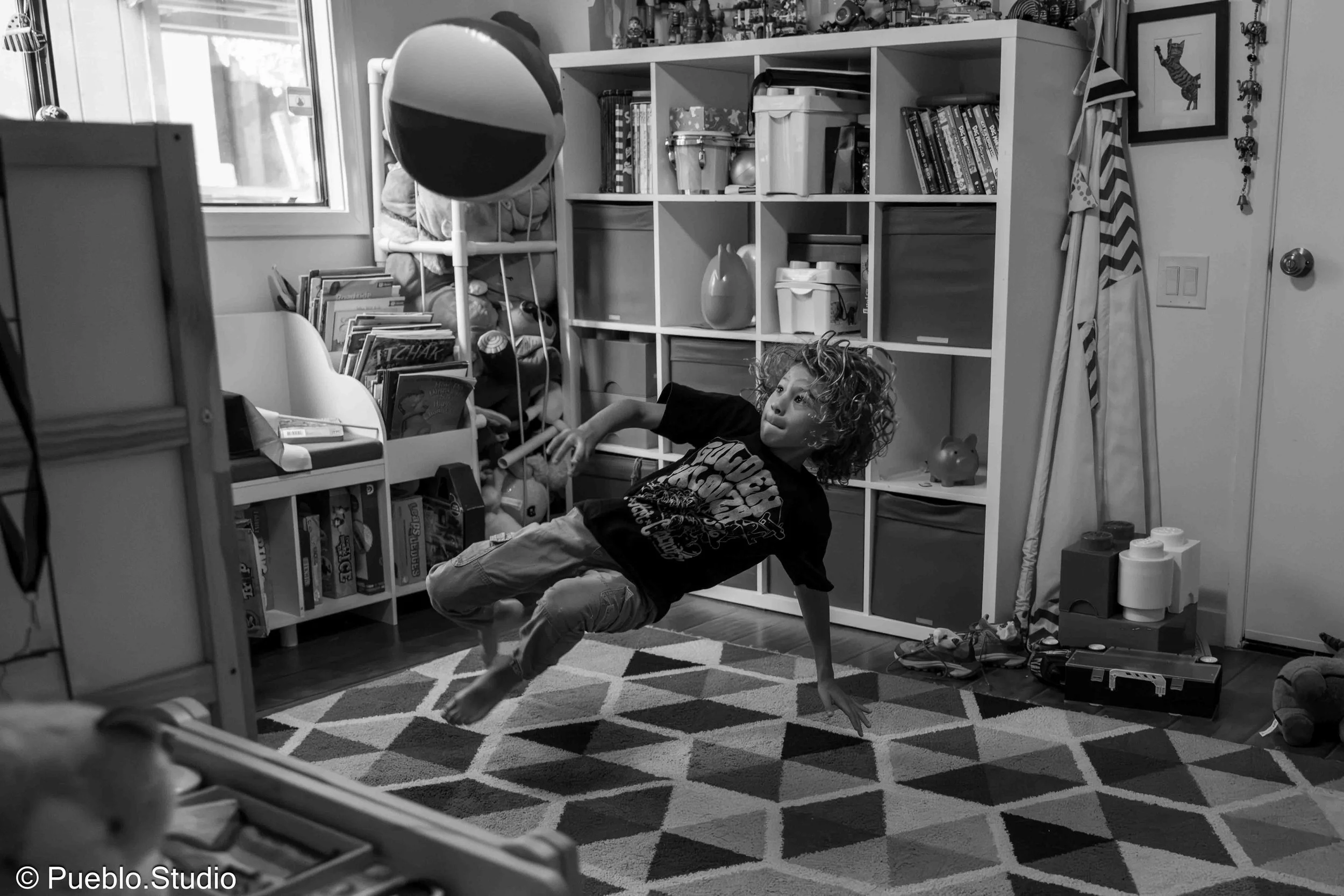
Kesem, who has always loved being physically active, spends much of his day running, jumping, climbing, and kicking. Kesem often fixates on one movement and repeats it for long stretches. Recently, that movement has been kicking anything he can find. This usually takes place in his room, where he can spend an hour trying new soccer moves with his beach ball. The reason is simple: these actions help him regulate and explore his body. How he engages is through steady repetition, turning a single motion into a whole world of focus and joy.
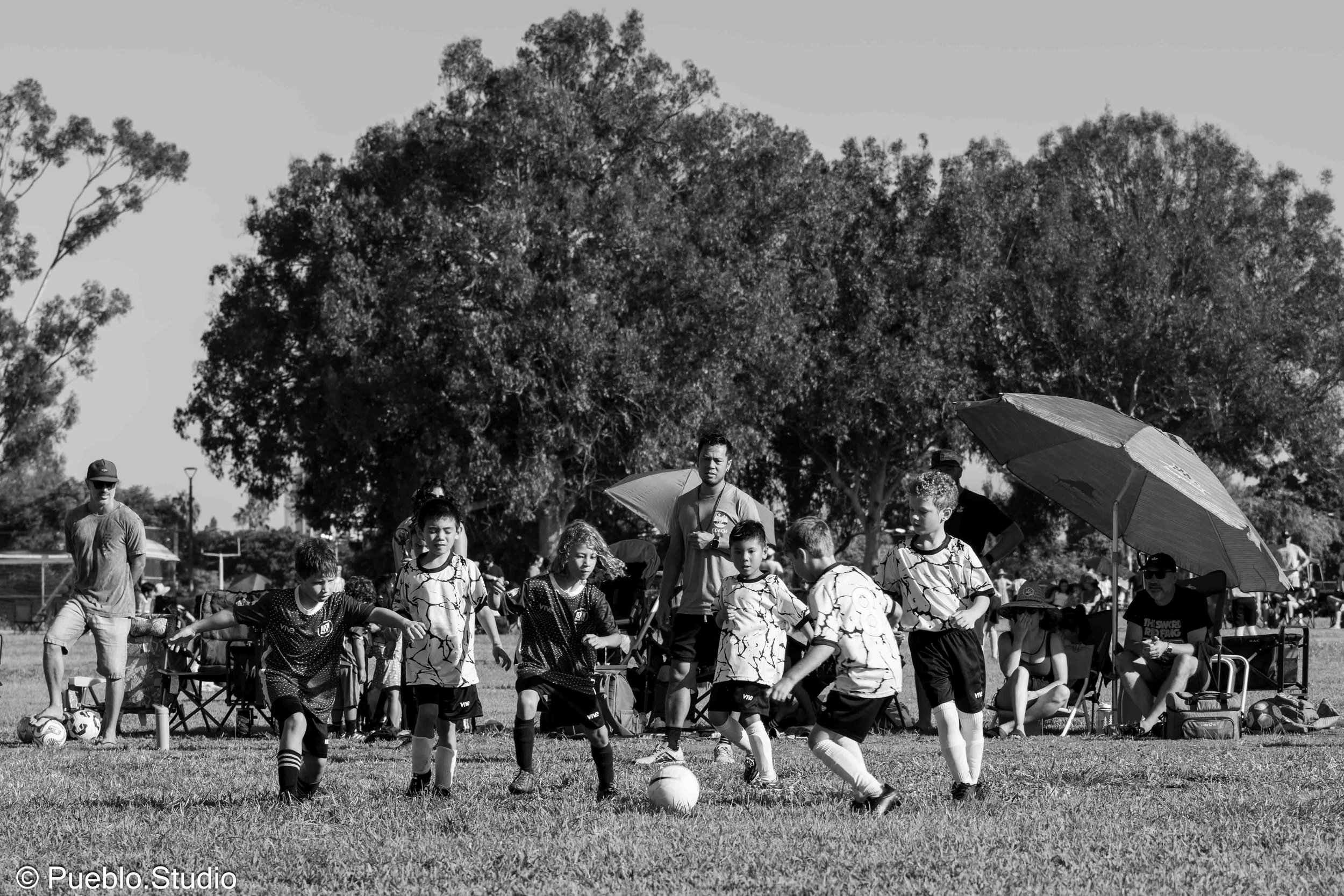
Kesem loves playing sports, and he approaches them with deep focus and a desire to improve. However, he finds it difficult being part of a team. During practices and games, he struggles to connect with teammates through conversation or on‑field communication, which is the part of the experience he enjoys the least. He would prefer to play without the social demands of teamwork as group dynamics are hard for him to navigate. We often support him is by stepping in when needed, helping him manage the social side of team sports so he can stay connected to the parts he loves most.
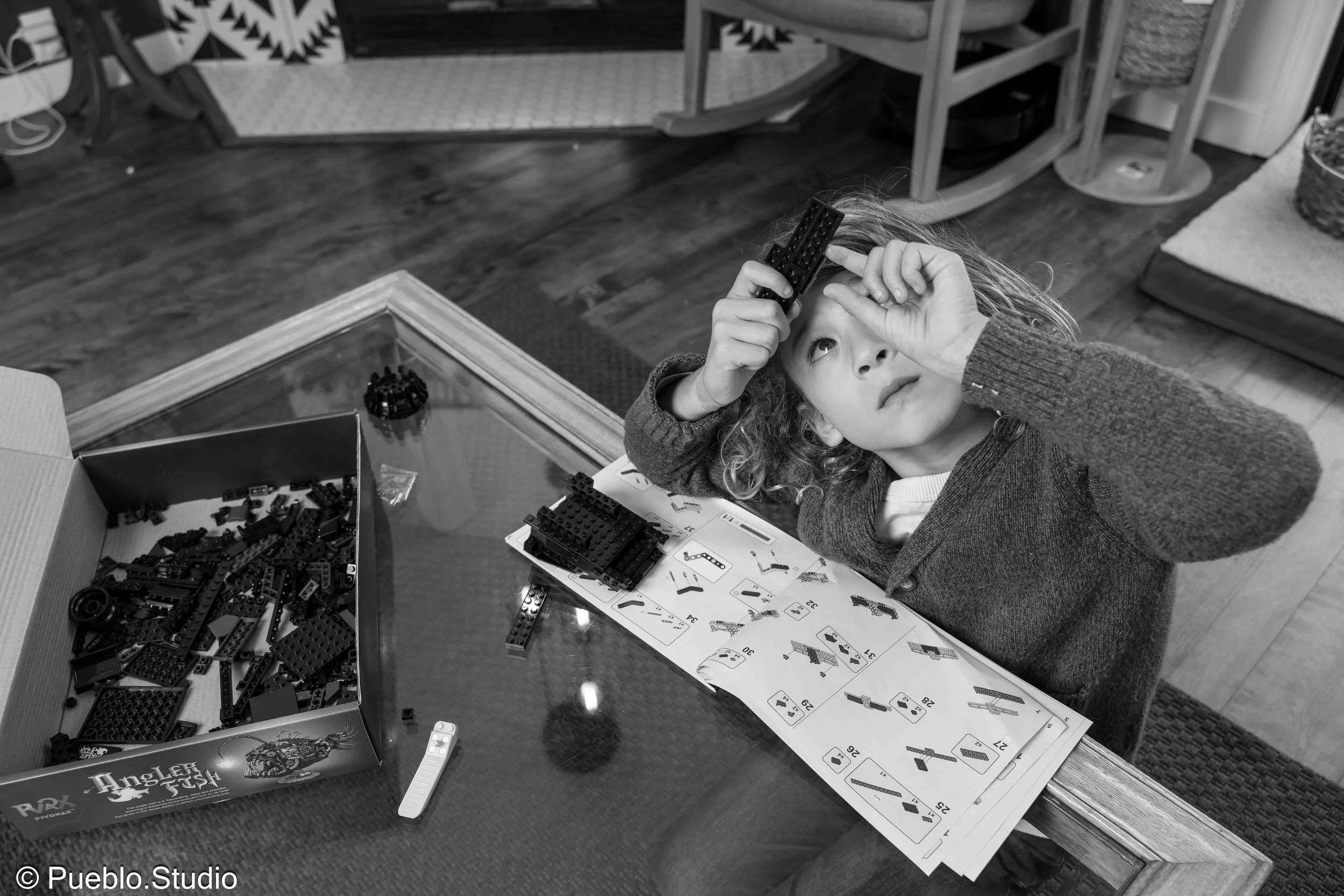
Kesem has a powerful imagination and an intuitive grasp of how things work. He loves building and often chooses challenges far beyond what is typical for his age. Here, at seven years old, he is working on a LEGO set designed for ages fourteen and up, which he specifically asked for. This usually happens in his room or at the coffee table in the living room, where he can sit for hours figuring out mechanical connections and problem‑solving each step. Creating and understanding systems brings him joy. He engages through deep focus and curiosity, and I love watching his mind express itself through the things he builds.
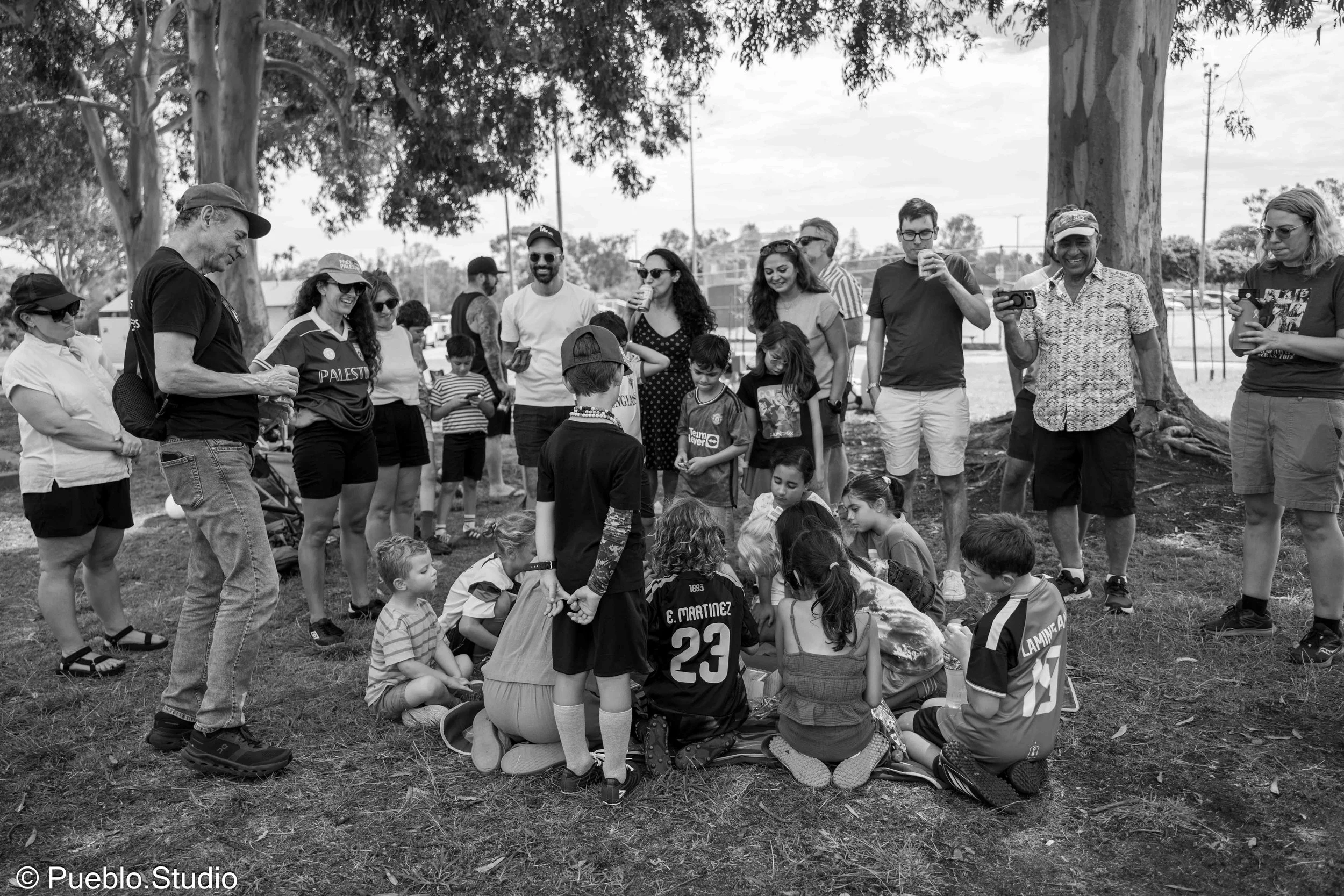
We try to surround Kesem with a community of friends and family who love him exactly as he is. We hope that he always feels supported, seen, and held by the people in his life. This moment took place at his eighth birthday party, where he was gathered with the friends and relatives. We intentionally create these spaces and moments, so he grows up knowing he belongs. We support him by being present, celebrating him, and loving him in all the ways he deserves.
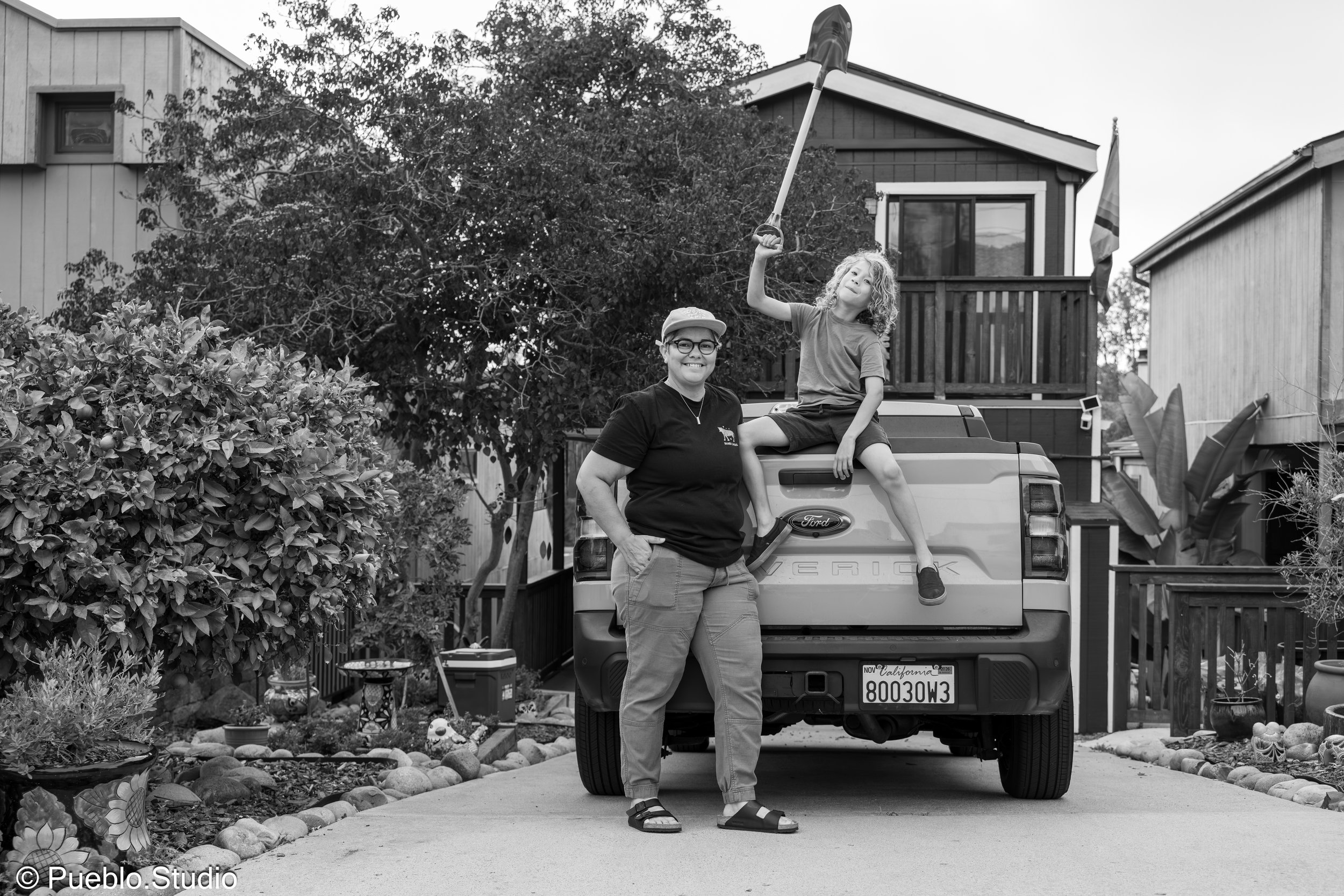
Kesem and their Amá (Shalem, photographer and storyteller) in front of their home in Golden Hill, San Diego.