OUR STORY SHAPES OUR APPROACH.
Pueblo Studio has roots in a place where people used storytelling to name their realities, define what they want for their future, and challenge a planning system that too often denies community members that power.
OUR ORIGIN STORY
The inspiration for Pueblo Studio began with a community coming together to protect its future.
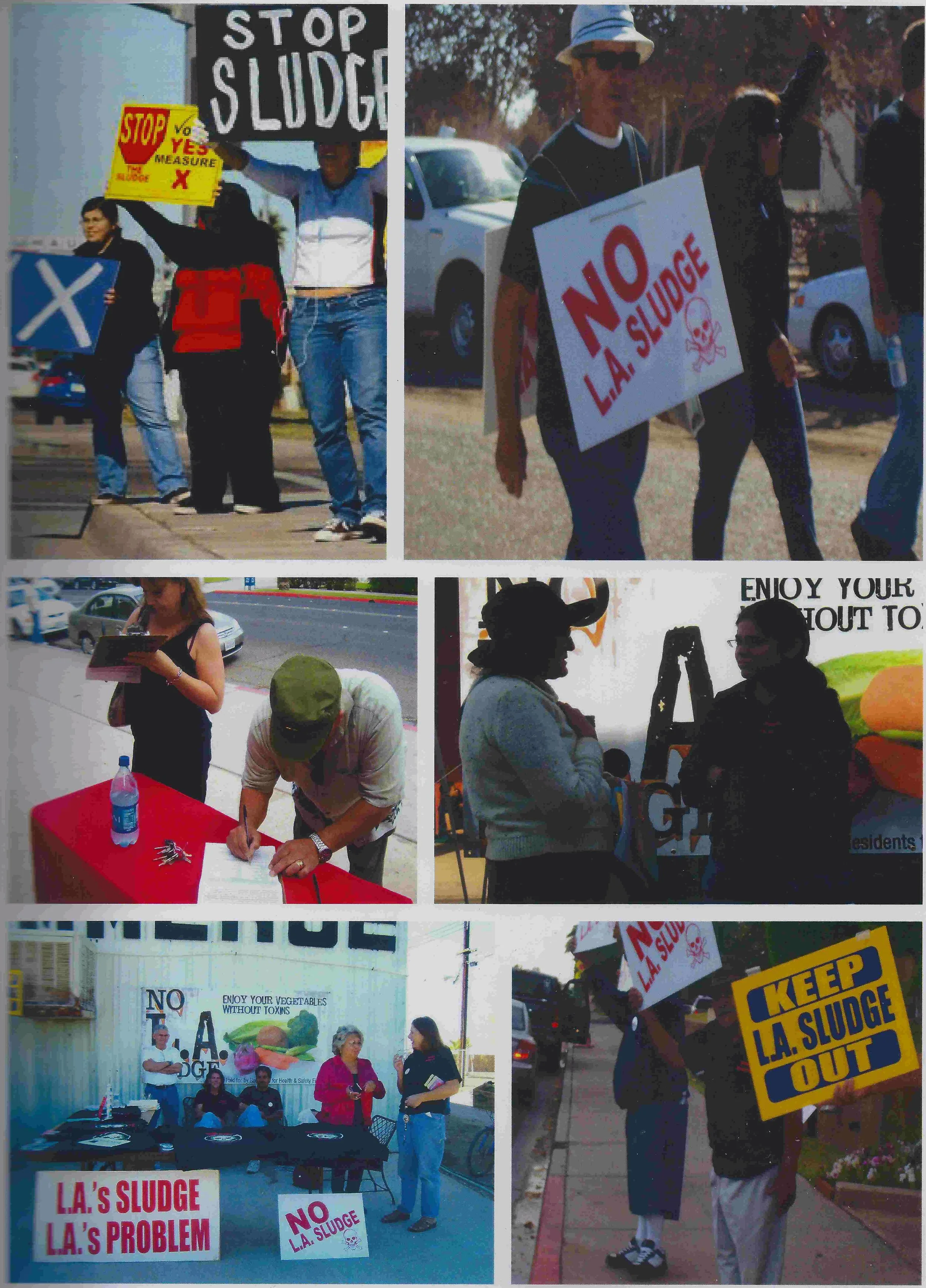
In 2005, our founder Shalem attended a community meeting in Niland, their rural hometown in California’s Imperial County. Residents learned that a multinational corporation planned to build a sewage-sludge incinerator there, bringing waste from across Southern California into a region already burdened by poor air quality, high asthma rates, and elevated cancer risks.
Instead of accepting a decision made without them, the community organized. Neighbors shared their stories, clarified their values, and drew clear lines around what they would not accept. Shalem co-authored a ballot initiative and together with the community they knocked on doors, registered voters, and built a grassroots media campaign. What started with a few people grew into a volunteer-led movement, and against the odds, the initiative passed with 68% of the countywide vote.
That victory revealed a deeper truth. Planning systems are often inaccessible by design, shaped by technical language, distant meetings, and predetermined outcomes. Communities are expected to live with consequences they had no hand in shaping.
Outside those systems, storytelling proved its power. By naming their realities and asserting shared values, people built collective power and claimed agency over their future. Planning is never neutral, and storytelling is how communities shape what’s possible.
After more than a decade working across environmental, economic, climate, transportation, and public-space justice, Shalem saw the same pattern everywhere. Those most impacted were still the least meaningfully included.
Pueblo Studio was founded in 2017 as an experiment in love, for community, for justice, and for a future shaped by the people who live it.
OUR APPROACH
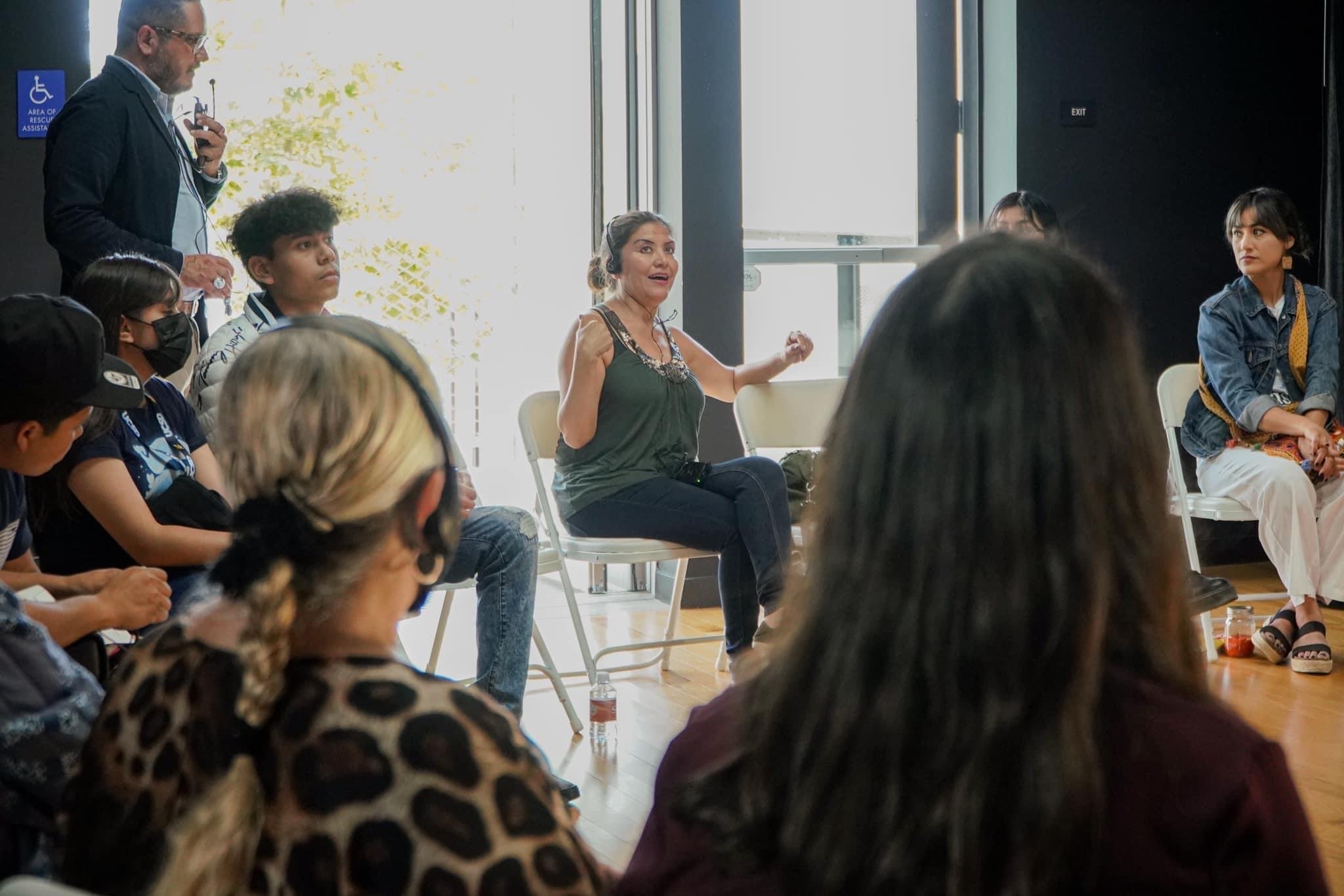
Everything we do is rooted in relationships, repair, reciprocity, and respect.
-
We center storytelling in trust-based relationships where community members are heard, respected, and empowered. Working alongside local partners, we build connections that endure beyond any single project.
-
Our work creates trauma-informed spaces that support healing rather than extraction. We prioritize connection, care, and mutual respect, advancing the public good across social, ecological, and economic systems.
-
Mutual benefit guides every step. Participants are acknowledged, compensated, and meaningfully involved throughout. When needs are shared, we actively connect people to relevant resources and services.
-
We honor partner organizations, community members, and the land. Our approach supports Indigenous rights and sovereignty, language access, disability justice, and data sovereignty. Storytellers retain agency at every stage, with full review and final approval of how their stories are represented.